Bernie Miklasz of WXOS talks with Cardinals Hall of Fame Tackle Dan Dierdorf after the passing of Arizona Cardinals owner Bill Bidwill in 2019.
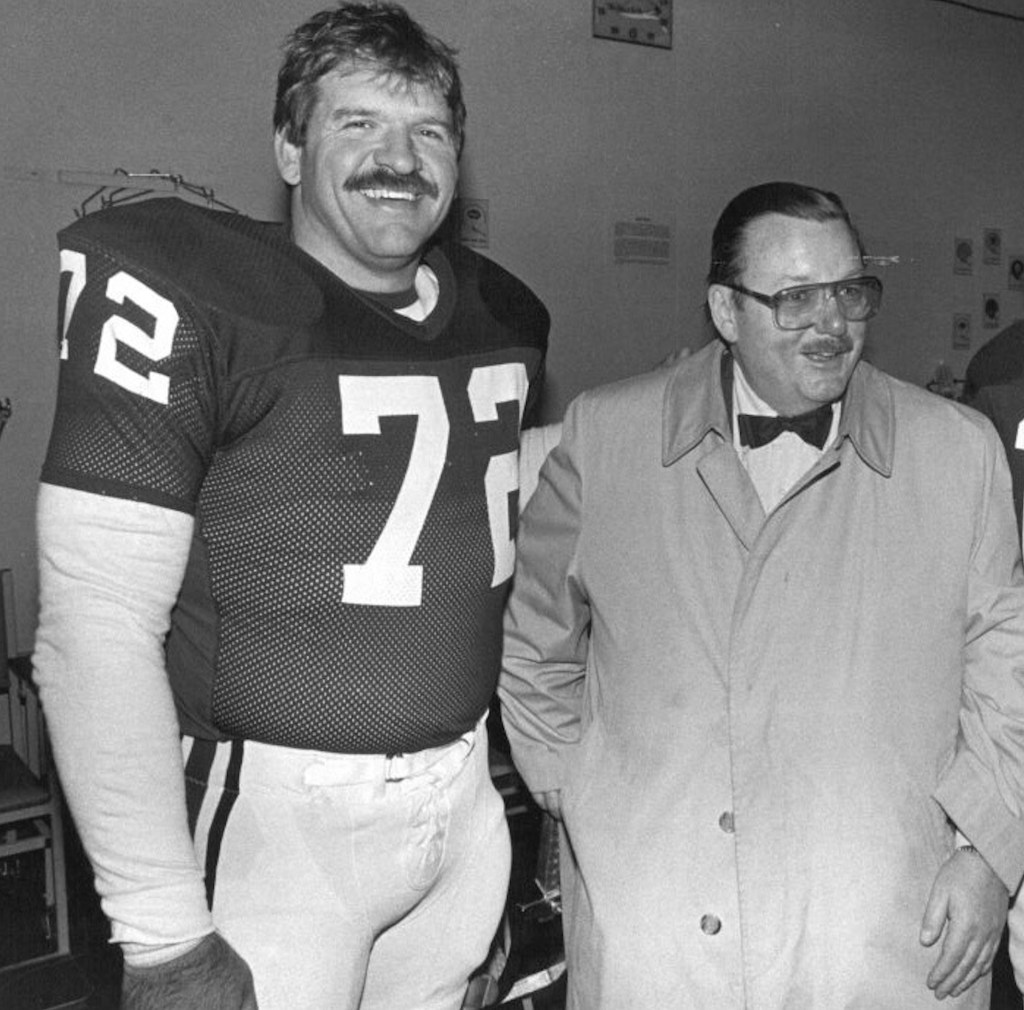
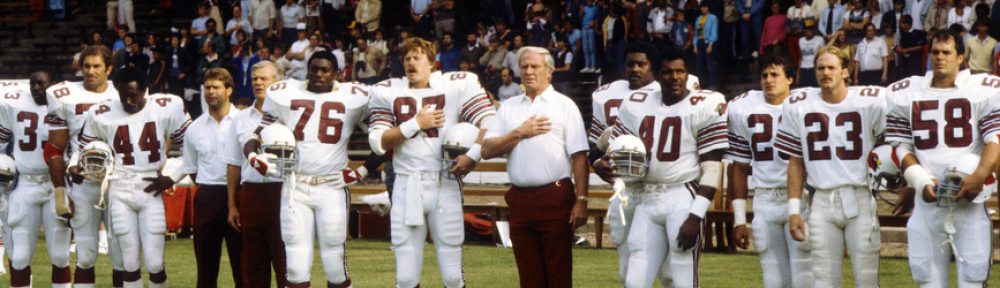
Bernie Miklasz of WXOS talks with Cardinals Hall of Fame Tackle Dan Dierdorf after the passing of Arizona Cardinals owner Bill Bidwill in 2019.
Desperate for a front-seven playmaker, the St. Louis Cardinals selected big Dave Butz with the fifth overall pick in the 1973 NFL Draft. The 6 foot 7, 290 pound Chicago area native was an All-American defensive tackle and Lombardi Finalist at Purdue University and would ultimately end up in the College Football Hall of Fame (2014).

Big Red personnel director Abe Stuber told the St. Louis Post Dispatch in 1973 that Butz “was our highest rated defensive player. He has the greatest potential of any defensive lineman in the country.”
Continue readingOttis “O.J.” Anderson set numerous NFL rookie rushing records in 1979 including most yards in a debut (193) and most yards in a season (1605). He was named NFC Player of the Year and NFL Rookie of the Year.

This gallery contains 19 photos.
The Big Red played in old Sportsman’s Park (Busch Stadium I) from 1960-1965.
Former NFL defensive back Irv Cross interviews Cardinals Hall of Fame safety Larry Wilson on the NFL Today in 1982.
St. Louis lost a broadcasting icon in 2017 when pioneering sportscaster Bill Wilkerson passed away at the age of 72.
Wilkerson’s career spanned over 4 decades and is most remembered for his work at KMOX radio where he got his start and made his name.
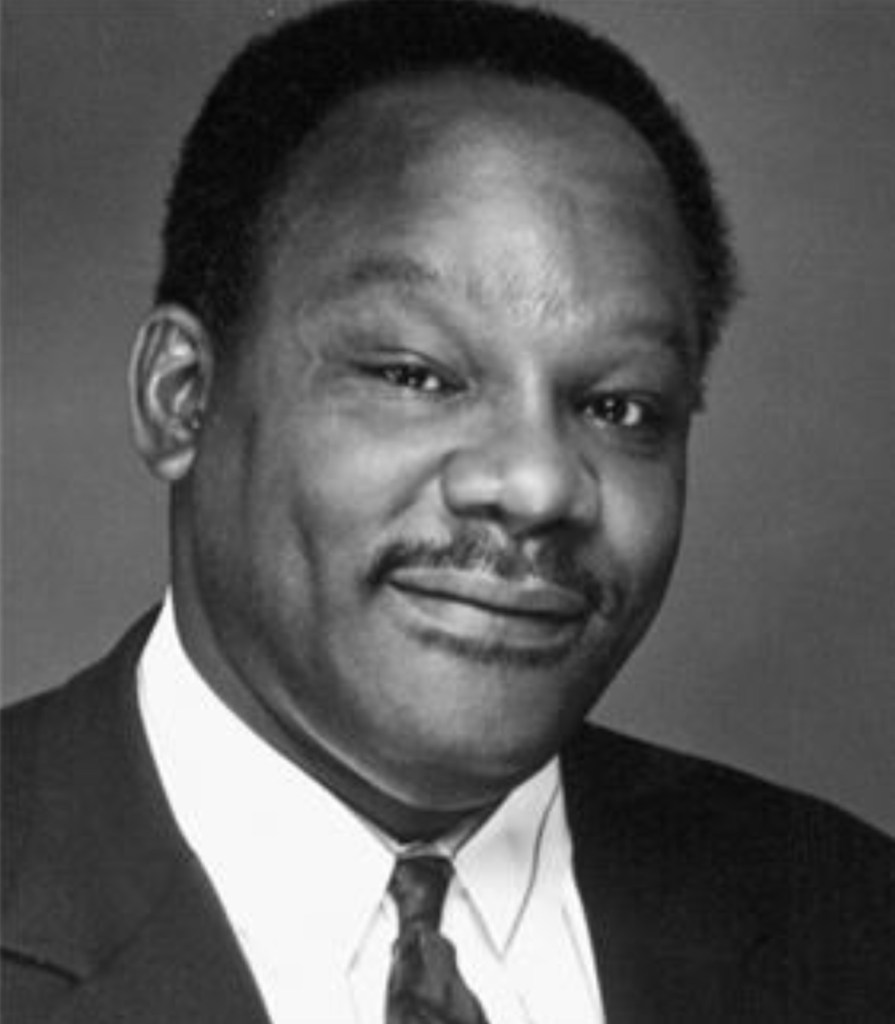
Big Red fans remember Bill calling Cardinals games starting in 1973 and continuing until the team left in 1987. He also served as color commentator for the baseball Cardinals, St. Louis Blues, St. Louis Spirits basketball, and was the longtime play by play voice of the Missouri Tigers.
Continue readingAfter ten years of co-owning the St. Louis Football Cardinals, Charles “Stormy” Bidwill had had enough. Either he or his brother Bill had to go.
The Bidwill brothers took over the Cardinals after their mother had suddenly passed away in 1962. Violet Bidwill Wolfner was the first female owner in NFL history and she left most of her multi-million dollar estate, including the football team, to her sons. The brothers already held titles of President and Vice President, but Violet’s husband, Walter Wolfner, essentially controlled the team. After being pushed out after Violet’s death, Wolfner filed a lawsuit claiming the brothers were illegally adopted as babies. This shocked Stormy and Bill who had not known they were adopted until they heard about it in Probate Court.
Judges ultimately ruled against Wolfner, allowing the Bidwills to assume complete control of the Grid Birds in early 1963.
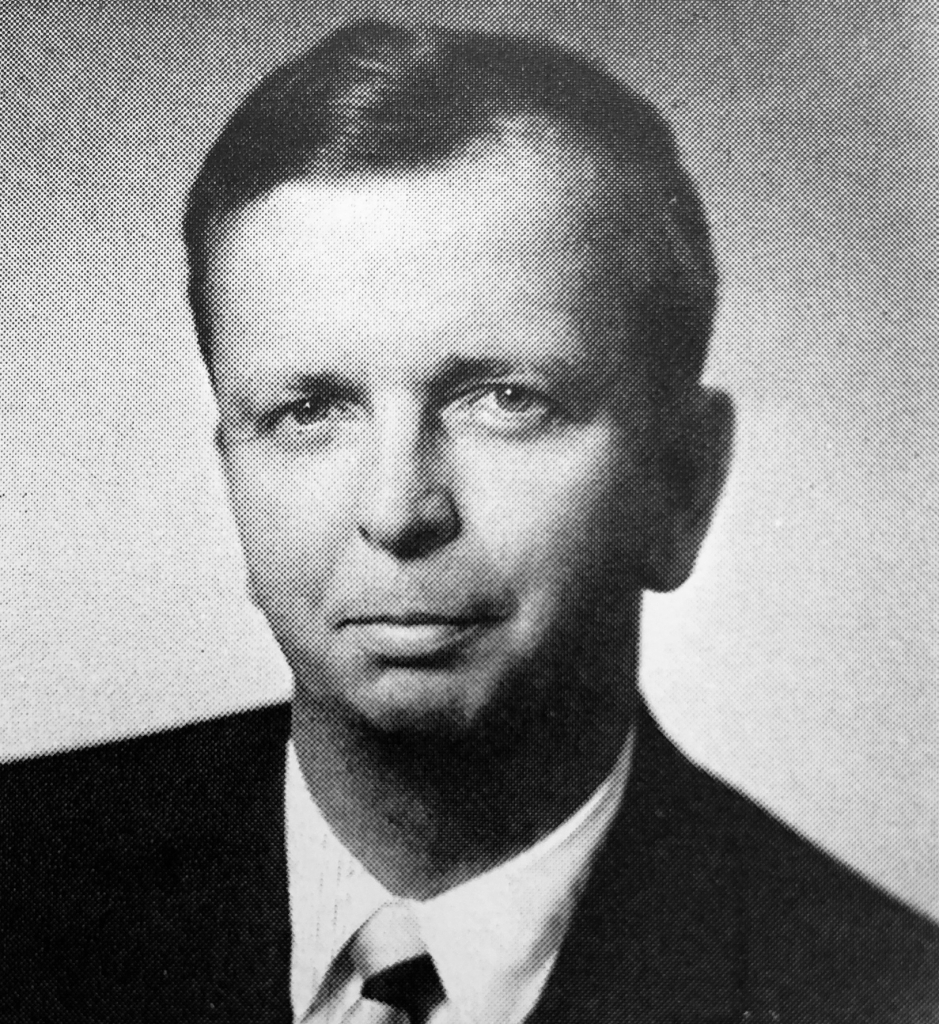
“This kid is an athlete. He’s got a real good chance to make our football team,” claimed Cardinals Personnel Director George Boone after drafting Bonnie Sloan in the 10th round of the 1973 NFL Draft.
Not only did the 6’5″, 260 pound defensive lineman make the team, he was the starting defensive tackle in the season opener against the Philadelphia Eagles.
The odds are long for any late round draft pick to make it in the NFL. The Cardinals already had three established defensive tackles in Bob Rowe, John Richardson, and Fred Heron, and they drafted Dave Butz with their top pick. But, Sloan had to overcome a larger obstacle. He was deaf.
Sloan was born in Lebanon, TN. His parents discovered that he was deaf when he was almost two years old. He learned to read lips and say words before the age of three and later learned to play football. Sloan earned all-state honors as a tight end and defensive tackle at Litton High School.
“We just thought football would be good therapy for him,” his mother told the New York Times. “We never thought he’d develop as he did.”
Sloan played college ball at Austin Peay where he was named team MVP and earned All-Ohio Valley Conference honors. In four seasons at Austin Peay, Sloan never jumped offside. His college line coach, Ray Thomas, felt that he should have been a fourth round draft choice at the very least.
“His deafness was definitely a factor in his not being taken until the tenth round,” Thomas told the Philadelphia Daily News.
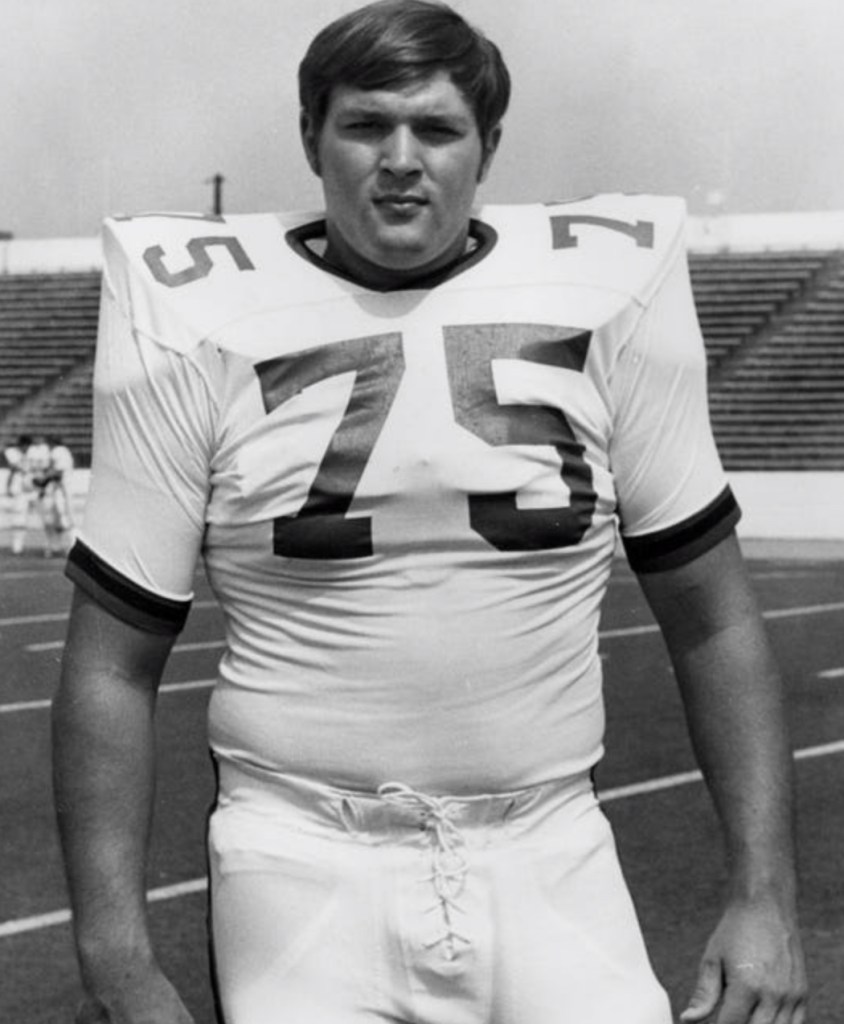
It didn’t take long after the Cardinals moved to St. Louis in 1960 to realize they would need a new quarterback if they wanted to compete for an NFL Championship.
King Hill started the inaugural game in Los Angeles in 1960, but was benched at halftime. Backup QB John Roach was benched at halftime the following week. Hill, Roach and former Notre Dame star George Izo combined to complete only 44% of their passes and throw 25 interceptions in 1960. Some claimed that running back John David Crow threw the ball better than all three quarterbacks.
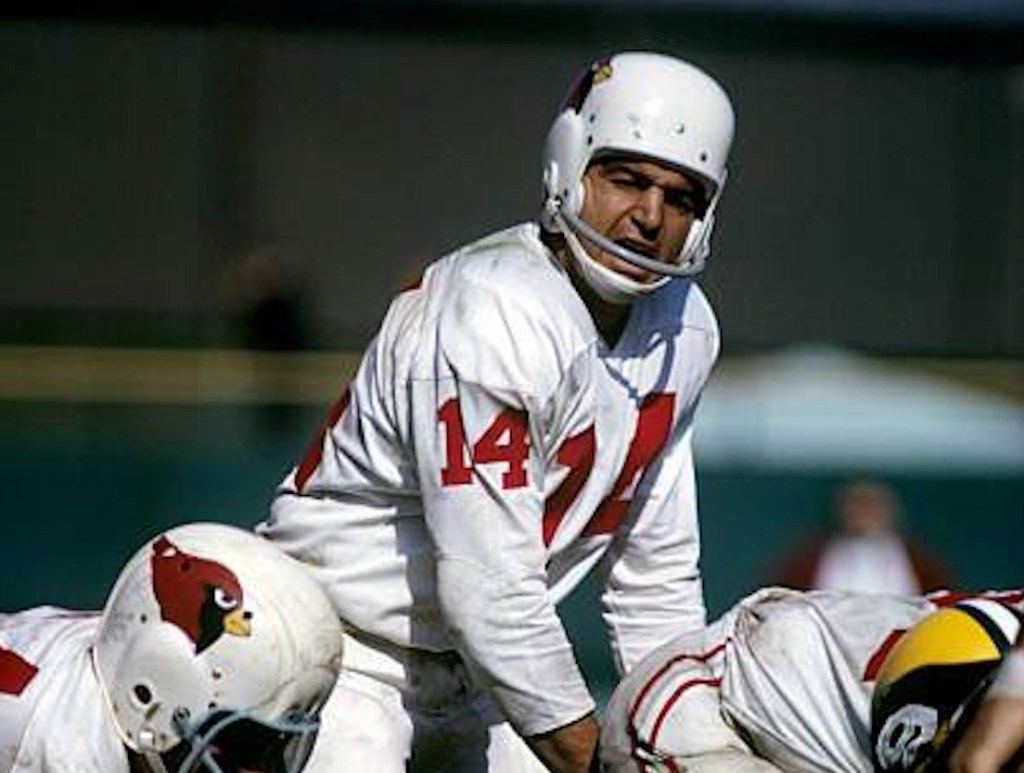
Great flashback to the 1979 NFL draft. The Cards already made some excellent picks when they took a flier on Michigan State All-American wide receiver Kirk Gibson.
In 1979, Kirk Gibson rejected a chance to play for the St. Louis Cardinals.
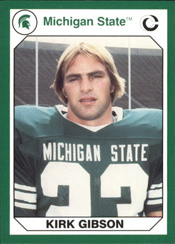 That’s because he was committed to playing baseball, not football.
On May 4, 1979, the St. Louis football Cardinals selected Gibson, a wide receiver at Michigan State, in the seventh round of the NFL draft.
A year earlier, June 1978, Gibson had been chosen by the Tigers in the first round of baseball’s amateur draft and signed a $200,000 contract with Detroit. The outfielder spent the summer of 1978 playing for the Tigers’ Class A Lakeland (Fla.) team managed by Jim Leyland before returning to Michigan State for his senior football season.
Gibson established school single-season records for receptions (42) and receiving yards (806) in 1978. He finished his Michigan State football career with four-year totals of 112 receptions, 2,347 yards receiving and 24 touchdown catches, all school records.
Gibson would have been “a certain first-round pick” in the 1979…
View original post 591 more words


 THE BIG RED ZONE